
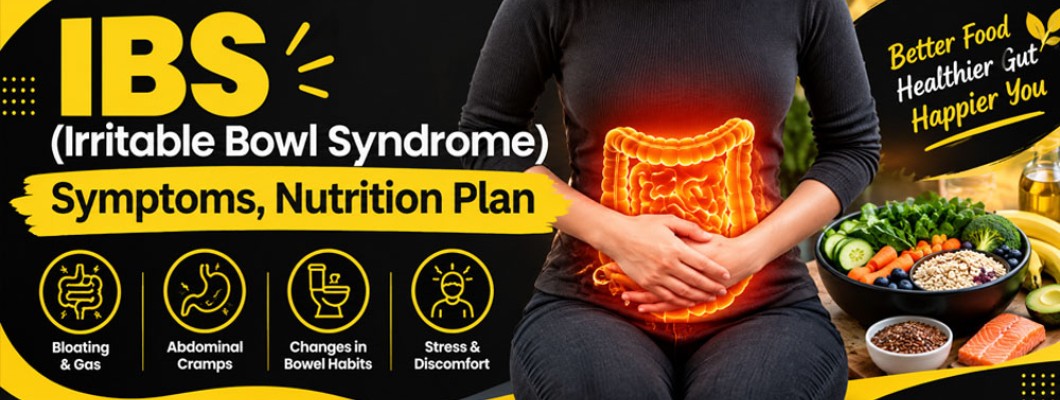
# Understanding IBS (Irritable Bowel Syndrome): Causes, Symptoms & Nutrition Strategies
## What is IBS?
Irritable Bowel Syndrome (IBS) is a common digestive disorder characterized by abdominal pain, bloating, gas, constipation, diarrhea, or a combination of both. Unlike inflammatory bowel diseases, IBS does not cause structural damage to the intestines, but it can significantly affect quality of life.
## Common Symptoms of IBS
People suffering from IBS may experience:
* Abdominal pain or cramping
* Bloating and excessive gas
* Diarrhea (IBS-D)
* Constipation (IBS-C)
* Alternating constipation and diarrhea (IBS-M)
* Feeling of incomplete bowel evacuation
* Food intolerances and digestive discomfort
Symptoms may vary from person to person and often occur in flare-ups.
## What Causes IBS?
The exact cause of IBS remains unclear, but research suggests several contributing factors:
* Gut-brain communication disturbances
* Chronic stress and anxiety
* Food sensitivities
* Altered gut microbiome
* Previous gastrointestinal infections
* Irregular eating habits
* Lack of sleep and physical activity
Many individuals notice worsening symptoms during periods of emotional stress.
## Nutrition Strategies for IBS Management
### 1. Follow a Low-FODMAP Approach
The Low-FODMAP diet is currently considered one of the most evidence-based nutritional strategies for IBS management. It helps identify foods that trigger bloating, abdominal pain, and bowel disturbances.
Common high-FODMAP foods include:
* Onion
* Garlic
* Apples
* Wheat products
* Certain dairy products
* Sugar alcohols
### 2. Eat Smaller Meals
Large meals may worsen digestive symptoms. Eating smaller, frequent meals can reduce digestive stress and improve comfort.
### 3. Stay Hydrated
Adequate water intake supports bowel function and may help reduce constipation-related symptoms.
### 4. Limit Trigger Foods
Many IBS sufferers benefit from reducing:
* Excess caffeine
* Alcohol
* Spicy foods
* Highly processed foods
* High-fat meals
* Carbonated beverages
### 5. Increase Soluble Fiber Carefully
Soluble fiber sources such as oats may help improve bowel regularity and digestive comfort, especially in constipation-predominant IBS. Fiber should be increased gradually to avoid worsening symptoms.
## Lifestyle Modifications That Help
Nutrition alone is not enough. Research suggests that IBS symptoms often improve with:
* Regular exercise
* Better sleep quality
* Stress management
* Mindfulness practices
* Yoga and breathing exercises
* Consistent meal timing
The gut and brain are closely connected, making stress management an important part of IBS treatment.
## When Should You See a Doctor?
Consult a healthcare professional if you experience:
* Blood in stool
* Unexplained weight loss
* Persistent severe abdominal pain
* Symptoms that interfere with daily life
* New bowel changes after age 50
These symptoms require medical evaluation to rule out other gastrointestinal conditions.
## Final Thoughts
IBS is a manageable condition when approached through proper nutrition, lifestyle modification, stress management, and individualized dietary planning. Every person's triggers are different, making symptom tracking and professional guidance extremely valuable.
At GSB Academy/GSB Fit we emphasize evidence-based nutrition strategies that help clients improve digestive health, reduce inflammation, and enhance overall quality of life.
— Team GSB Academy/GSB Fit
"Our Mission is to Upgrade the Standard of Fitness Education for the Nation through Scientific, Ethical, and Holistic Fitness Education. We do not promote any felonious commodities."
Founder
Kulbir Singh
#fitwithkulbir #gsbacademy #gsbfit #ibs #ibm #ibc #ibd #holistic #yoga #medication