
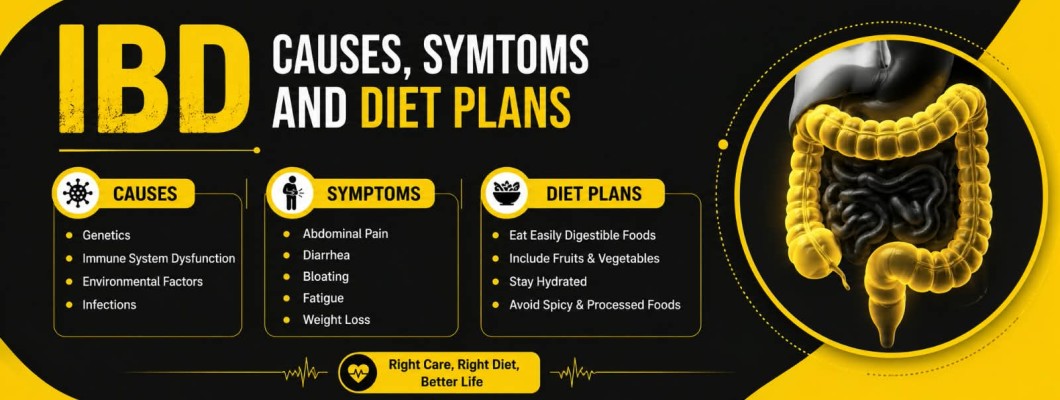
nflammatory Bowel Disease (IBD): Causes, Symptoms, Treatment & Diet Guide
By GSB Academy | GSB Academy/GSB Fit
What is Inflammatory Bowel Disease (IBD)?
Inflammatory Bowel Disease (IBD) is a group of chronic inflammatory disorders that affect the digestive tract. The two main forms are:
Crohn's Disease – Can affect any part of the digestive tract, from the mouth to the anus.
Ulcerative Colitis (UC) – Primarily affects the colon (large intestine) and rectum.
Unlike Irritable Bowel Syndrome (IBS), IBD causes ongoing inflammation that can damage the intestinal lining over time.
Types of IBD
1. Crohn's Disease
Can affect any part of the digestive tract
Inflammation may involve the full thickness of the bowel wall
Healthy and inflamed areas can alternate
2. Ulcerative Colitis
Limited to the colon and rectum
Inflammation mainly affects the inner lining of the colon
Usually begins in the rectum and may spread upward
Common Symptoms
Persistent diarrhea
Abdominal pain and cramping
Blood in stool
Fatigue
Weight loss
Urgent bowel movements
Loss of appetite
Fever (during active inflammation)
Anemia
Causes of IBD
The exact cause is unknown, but experts believe several factors contribute:
Genetics
A family history of IBD increases the risk.
Immune System Dysfunction
The immune system mistakenly attacks healthy intestinal tissue, causing chronic inflammation.
Gut Microbiome
An imbalance in gut bacteria may contribute to disease development.
Environmental Factors
Smoking (especially increases Crohn's disease risk)
Western dietary patterns
Certain infections
Environmental triggers in genetically susceptible individuals
Risk Factors
Age below 35 years (although it can occur at any age)
Family history
Smoking
Previous autoimmune diseases
Certain environmental exposures
Complications
If left untreated, IBD may lead to:
Intestinal narrowing (strictures)
Fistulas (more common in Crohn's disease)
Malnutrition
Iron deficiency anemia
Osteoporosis
Increased risk of colorectal cancer after many years of extensive colitis
Diagnosis
Doctors may recommend:
Blood tests
Stool examination (including markers of inflammation)
Colonoscopy with biopsy
CT scan or MRI
Endoscopy (when appropriate)
Best Diet for IBD
There is no single diet that works for everyone, but many people benefit from individualized nutrition.
Foods That May Be Better Tolerated
Rice
Oats
Potatoes
Eggs
Fish
Skinless chicken
Yogurt (if tolerated)
Well-cooked vegetables
Bananas
Applesauce
Stay Hydrated
Drink adequate fluids, especially during diarrhea.
Foods That May Trigger Symptoms
Deep-fried foods
Highly processed foods
Alcohol
Excess caffeine
Spicy foods
High-fat meals
Foods that personally worsen symptoms
Keeping a food diary can help identify individual triggers.
Lifestyle Management
Exercise
Moderate activity such as:
Walking
Cycling
Yoga
Strength training (when disease is controlled)
can improve overall health and reduce stress.
Stress Management
Stress does not cause IBD but can worsen symptoms.
Helpful strategies include:
Meditation
Deep breathing
Good sleep habits
Counseling when needed
Treatment
Treatment depends on the type and severity of IBD and may include:
Anti-inflammatory medications
Immune-modifying medications
Biologic therapies
Nutritional support
Surgery for selected patients when medications are insufficient or complications develop
Always consult a gastroenterologist before starting or changing treatment.
IBS vs IBD
IBS IBD
Functional bowel disorder Chronic inflammatory disease
No intestinal damage Can damage the intestines
No bleeding in most cases Blood in stool is common
Colonoscopy often appears normal Inflammation visible on testing
Does not increase colorectal cancer risk Long-standing disease may increase colorectal cancer risk
Frequently Asked Questions
Is IBD curable?
There is currently no permanent cure, but many people achieve long periods of remission with appropriate treatment.
Can IBD be controlled?
Yes. With medications, diet, lifestyle changes, and regular medical follow-up, many people live active and productive lives.
Is IBD the same as IBS?
No. IBS is a functional disorder without intestinal inflammation, while IBD is an inflammatory disease that can damage the digestive tract.
Conclusion
Inflammatory Bowel Disease is a lifelong condition that requires proper diagnosis, medical treatment, balanced nutrition, stress management, and regular follow-up. Early intervention can reduce complications, improve quality of life, and help maintain long-term remission.
Website: https://gsbacademy.in/
SEO Keywords: Inflammatory Bowel Disease, IBD, Crohn's Disease, Ulcerative Colitis, IBD Diet, IBD Symptoms, IBD Treatment, Gut Health, Digestive Disorders, GSB Academy, GSB Academy/GSB Fit.
— Team GSB Academy/GSB Fit
"Our Mission is to Upgrade the Standard of Fitness Education for the Nation through Scientific, Ethical, and Holistic Fitness Education. We do not promote any felonious commodities."
Founder
Kulbir Singh